While you might think medical marijuana programs are more or less the same across different states, Delaware’s system has unique characteristics that set it apart. You’ll find it interesting to learn about the rigorous patient qualification process, the essential role of caregivers, and the specific forms of marijuana permitted. Furthermore, the program’s influence on Delaware’s healthcare system and local economy might surprise you. Ready to explore these vital facts that make Delaware’s Medical Marijuana Program distinct?
Table of Contents
Delaware’s Medical Marijuana Legislation
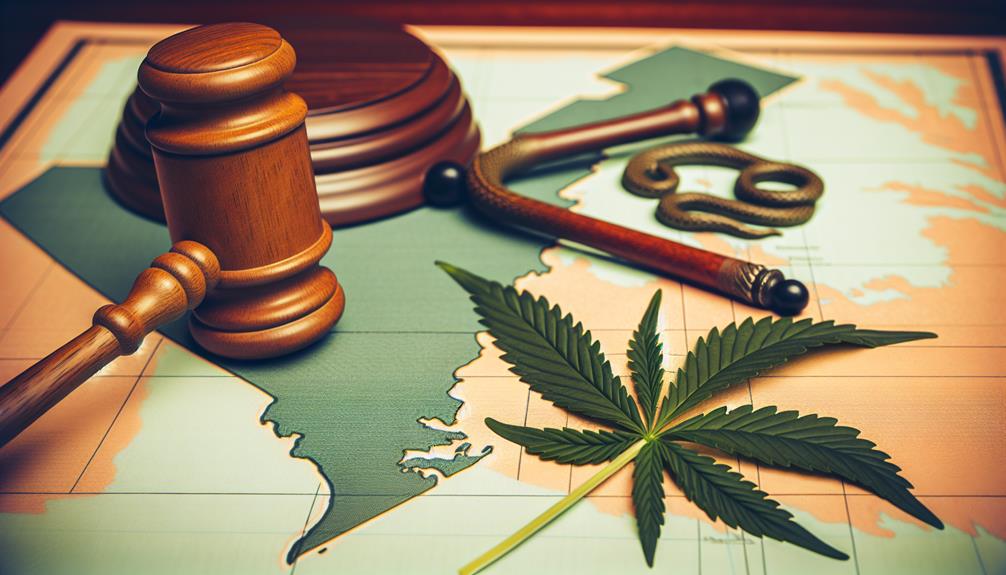
How did Delaware’s medical marijuana legislation come into existence? It all started back in 2011 when the Delaware Medical Marijuana Act was signed into law. This legislation history is marked by a strong desire to help those suffering from debilitating conditions and looking for relief.
The regulatory framework, however, took some time to develop. Initially, the state struggled with implementing the law due to concerns over potential federal intervention. It wasn’t until 2015, four years after the initial legislation was passed, that the state’s first compassion center opened its doors.
You might wonder why it took so long. There were regulatory challenges to be ironed out, including establishing guidelines for cultivation centers, patient access, and quality control measures.
You’ll find that these regulations have evolved over time, reflecting the state’s commitment to ensuring safe access for patients while also mitigating potential abuses.
It’s important to recognize the significant impact this legislation has had on thousands of Delaware residents. It’s not just about cannabis; it’s about providing an alternative—a hopeful option for those who’ve exhausted traditional treatment avenues.
The story of Delaware’s medical marijuana legislation is a demonstration of the power of compassionate, patient-centric policymaking.
Patient Qualification Process
Maneuvering through the patient qualification process for medical marijuana in Delaware may seem like a labyrinth at first glance. However, understanding the steps can simplify it considerably. Let’s break down this path and illuminate both patient eligibility criteria and application process.
- Diagnosis: The first step towards qualification is receiving a diagnosis for one of the medical conditions approved by the Delaware Department of Health and Social Services. These include conditions such as cancer, HIV/AIDS, PTSD among others.
- Physician’s Certification: If you’ve been diagnosed with an approved condition you’ll need a signed statement from a Delaware-licensed physician affirming that medical marijuana could help alleviate your symptoms.
- Application: Finally you need to submit an application to Medical Marijuana Program which includes your physician’s certification proof of residency along with $125 fee payment required upfront before processing begins officially!
Don’t get overwhelmed—you’re not alone on this journey! There are numerous resources available including clinics & advocates ready assist guiding through each step necessary ensure success achieved ultimately reaching goal desired outcome sought after initially envisioned originally planned out beforehand accordingly too!
Role Of Caregivers In The Program